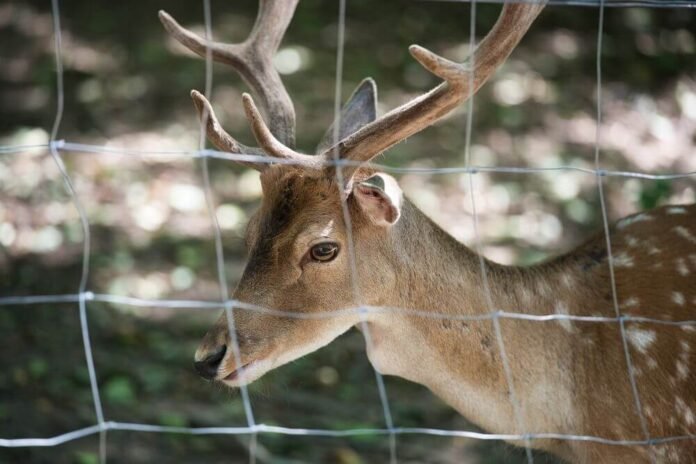
Home gardeners in New Jersey who cultivate rare hostas often face a disheartening problem: waking up to find prized leaves chewed down to stubs overnight. These unique hosta varieties, sometimes collected over years, are particularly vulnerable to local deer populations. Unlike common perennials, rare hostas may not recover quickly, making every incident of deer browsing a significant setback. The most effective way to stop this cycle of damage is to create a physical barrier that deer cannot breach. Installing a dedicated deer fence around your garden is a proven solution, offering immediate and lasting protection for your valuable plants.
Identifying Severe Deer Browsing Damage On New Jersey Hostas
The first sign that your hostas are under attack often appears as jagged or torn leaves, missing entire sections. In New Jersey, deer browsing typically leaves hosta clumps with only bare stems, as deer will eat everything but the toughest stalks. Gardeners might also notice hoof prints in soft soil, especially around recently disturbed beds. This pattern of grazing differs from insect damage, which usually creates holes or small notches rather than large, uneven gaps.
Recognizing the severity of deer browsing is crucial for preventing long-term harm to rare hostas. Severe browsing can weaken plants, reduce flowering, and in some cases, kill mature specimens. Once established, deer develop regular routes through a garden, returning night after night for easy meals. Learning how to identify deer damage on hostas helps gardeners act before a collection suffers irreversible loss.
In areas with high deer activity, visible damage often escalates quickly. Taking early action with fencing can prevent a single night’s meal from turning into a season-long disappointment.
Why Rare Hostas Are Prime Targets For Local Wildlife
Rare hostas, often bred for unique leaf shapes and vibrant colors, tend to have more tender foliage than standard varieties. This trait makes them especially appealing to deer searching for easy food sources in suburban and rural landscapes. Unlike tough ornamental grasses or woody shrubs, hostas offer soft, moisture-rich leaves that deer consume readily, particularly during dry spells when other plants are less palatable.
Many rare hostas are planted in shaded garden beds, which can be close to wooded edges or natural deer pathways. The combination of accessible placement and delicate growth increases their risk. For gardeners focused on how to protect hostas with Deer Fence Nj, understanding why these plants attract wildlife is a key step in planning effective defenses.
Protecting rare varieties requires more than repellents or scare tactics, as deer quickly adapt to non-physical barriers. A well-placed fence disrupts established feeding routes, safeguarding irreplaceable hostas and allowing them to thrive without repeated stress.
Selecting The Right Deer Fence Materials For Garden Protection
Choosing the correct type of fencing is essential for stopping deer from browsing on vulnerable hostas. Polypropylene mesh fences, which are lightweight and nearly invisible from a distance, are popular for residential gardens. These fences are strong enough to withstand deer pressure but do not detract from garden aesthetics. For high-traffic areas or larger properties, metal fencing with small openings provides added durability and prevents deer from pushing through or jumping over the barrier.
Fence height is a critical detail; most deer can clear obstacles up to six feet, so a minimum height of seven to eight feet is recommended for full protection. The installation process should include anchoring the bottom edge to the ground, as deer may try to crawl under the fence when desperate for food. For a comprehensive overview of these choices, the resource on deer fence materials and installation standards covers what to look for in effective barriers.
For gardeners seeking local solutions, the search for Deer Fence Nj leads to installation options specifically suited to regional wildlife pressures. This approach gives hostas in New Jersey gardens the best defense against persistent browsing by local herds.
Professional Deer Fence Installation Methods For Maximum Yard Security
Proper installation determines whether a fence will offer lasting protection or become a weak spot in garden defenses. Professional installers assess the topography and layout of each yard, identifying the routes deer use to enter the property. Corners, dips, and areas bordering woods receive special attention, as these are common entry points for wildlife.
Expert teams use tensioning systems to keep fencing taut and stable, preventing sagging that could allow deer to jump over or push under the barrier. Gates are installed with secure latches to maintain full enclosure while allowing for easy gardener access. For homeowners interested in how to protect hostas with Deer Fence Nj, working with experienced installers ensures the barrier is both effective and visually discreet.
Routine checks and maintenance, such as tightening wires and clearing debris from the fence line, help keep the barrier in optimal condition year-round. A professional approach not only shields rare hostas but also preserves the overall look and function of the garden landscape.
Conclusion
Investing in a well-chosen and expertly installed deer fence is the most reliable way to shield rare hostas from ongoing browsing damage in New Jersey. When evaluating next steps, prioritize a barrier that fits the specific needs of your garden and the behavior of local deer. This decisive action allows you to enjoy your unique hosta collection at its healthiest, season after season.